MESA logo
 
  Seaweek 2010    
Home | About MESA | Contact MESA | Seaweek | Site Resources | Marine Links | International News | MESA History
 

SW10 Home |  Links | Teaching Ideas | Gallery | Action projects   |   Background Information

Seaweek 2010: Oceans of Life - ours to explore; ours to restore


About our oceans

What are the threats to our oceans?


Noise Pollution

Since 1970 it is estimated that noise solely from human activity has increased at 10 decibels per decade in the oceans. Some of the major sources of this noise are military sonar, used for defensive and research purposes, fishing boats, merchant ships, research vessels, and oil rigs.

Such noise can prevent fish, whales, and dolphins from hearing their prey or predators, from avoiding dangers, from navigating or orienting to important habitat, from finding mates that are often widely spread out, or from staying in acoustic contact with their young or their group members.

More about noise pollution in the ocean.


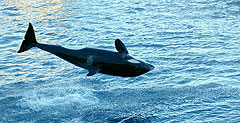
An Orca whale, orcas have been involved in
strandings thought to be caused by ocean noise.

 
What is an ocean?
What are the Earth's oceans?
Who owns the oceans?
What's under the ocean?
Ocean Zones
Why are the oceans important?
What are the threats to our oceans?
   

Mining

Trace metal pollution from metal mining, production and processing industries can damage the health of marine plants and animals and render some seafood unfit for human consumption. The contribution of human activities can be very significant: the amount of mercury introduced to the environment by industrial activities is around four times the amount released through natural processes such as weathering and erosion.

In Australia, potential problems are restricted to less than a dozen major cities located on the coastal fringe. These include the state capitals, and a number of other highly industrialised cities, such as Wollongong and Newcastle. In Australia, industrial and mining sources could include smelters, power stations, paper mills, port facilities including ore or coal loaders, sewage treatment works, oil refineries and other chemical and industrial manufacturing plants.

More information from the "State of the Marine Environment Report for Australia: Heavy metals and tributyltin in Australian coastal and estuarine waters" report.


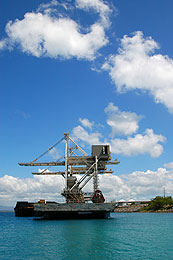
Ship loading coal in the Philippines
for use in a power plant


Sponsors


Marine and Atmospheric Research


   Contact Web Manager © MESA 1999 - 2010
0.00000 secs   
  BriTer Solutions   SpiderByte Web Design Top